


What Makes Vietnamese Lunar New Year Special? Traditional Customs That Fascinate International Visitors
26/11/2026
|
Chia sẻ:
If you have the opportunity to celebrate Lunar New Year in Vietnam, you will encounter many fascinating scenes: locals rushing to buy flowers, families gathering to make traditional Bánh Chưng (square sticky rice cakes), beautifully prepared festive meals, and red lucky-money envelopes being exchanged on the first days of the new year.
Vietnamese Lunar New Year, known as Tết Nguyên Đán or simply Tết, is more than just the transition from one year to the next. It is one of the most important celebrations in Vietnamese culture, a time for family reunions, paying tribute to ancestors, and sharing hopes and wishes for a prosperous year ahead.
So, what makes Vietnamese Tết so special? Which traditional customs have been preserved through generations, and why do they capture the curiosity of international visitors?
1. Spring Cleaning – Preparing for a Fresh Start
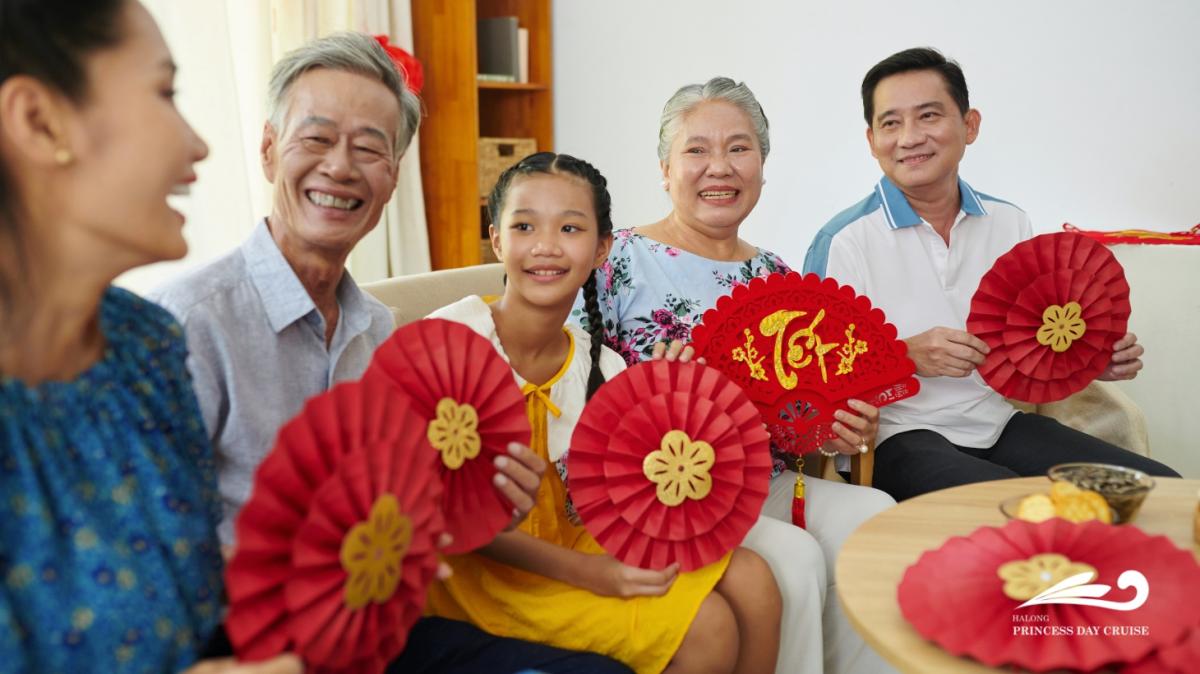
Before Tết arrives, Vietnamese families often spend time cleaning their homes, rearranging furniture, polishing ancestral altars, and decorating their living spaces.
This is more than an ordinary household chore. It symbolizes leaving behind the old and welcoming a new year filled with hope and good fortune.
Many families decorate their homes with peach blossoms, yellow apricot blossoms, kumquat trees, and other colorful flowers. Peach blossoms are particularly popular in northern Vietnam, while yellow apricot blossoms are a familiar symbol of Tết in the south.
For international visitors, the sight of flower-filled streets and families enthusiastically preparing for the new year is one of the most recognizable features of Vietnamese Tết.
2. Making Bánh Chưng and Bánh Tét – The Taste of Family Reunion
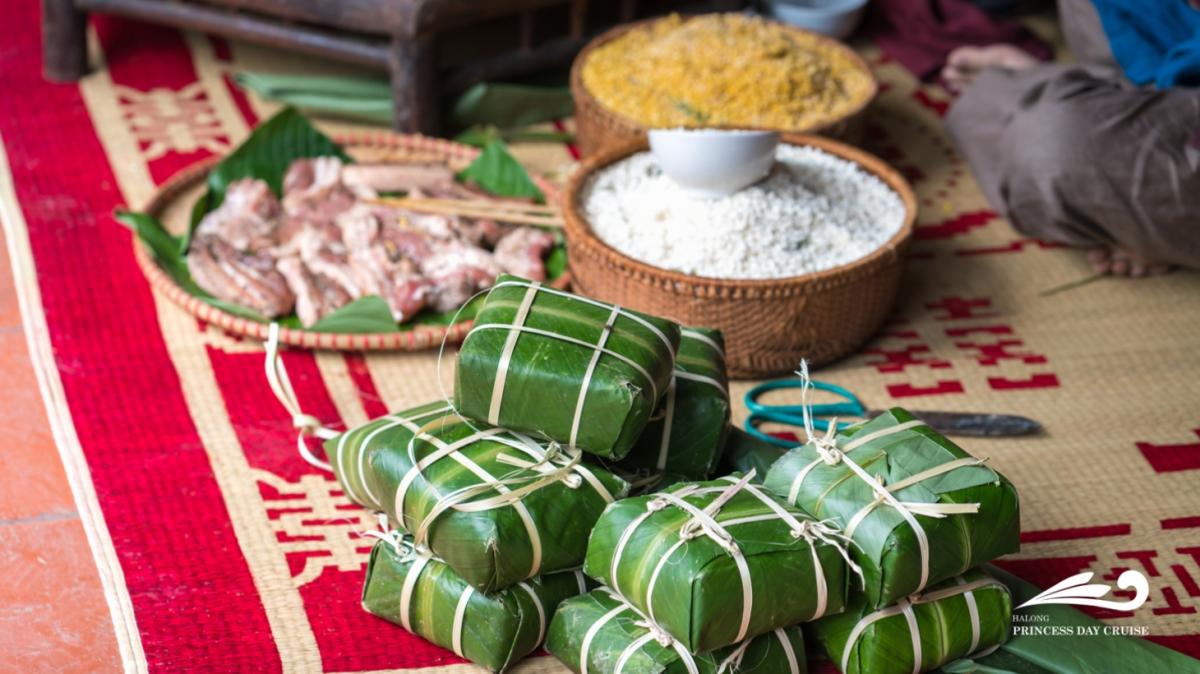
No introduction to Vietnamese Tết would be complete without mentioning Bánh Chưng and Bánh Tét.
Bánh Chưng is a square-shaped sticky rice cake traditionally associated with northern Vietnam. It is made from glutinous rice, mung beans, and pork, wrapped in green dong leaves. Meanwhile, Bánh Tét is a cylindrical sticky rice cake, commonly found in central and southern Vietnam, usually wrapped in banana leaves.
Beyond being traditional festive dishes, these cakes are associated with the legend of Lang Liêu, a story that celebrates filial piety and appreciation for the gifts of nature.
In the past, family members would gather to prepare the ingredients, wrap the cakes, and take turns watching over large pots as the cakes simmered for hours. Although not every family makes their own cakes today, their presence remains a cherished reminder of Tết and the warmth of family gatherings.
3. Ancestor Worship – A Time to Honor One's Roots
One of the distinctive traditions in many Vietnamese households is ancestor worship.
As the year comes to an end, families often clean their ancestral altars and prepare flowers, fruit, incense, and traditional offerings to pay tribute to their ancestors. Some also visit and tidy the graves of departed family members before welcoming the new year.
This custom reflects the Vietnamese value of “Uống nước nhớ nguồn”, which means remembering the source of one's blessings and showing gratitude to previous generations.
For international visitors, this tradition may seem unfamiliar at first. However, understanding its deeper meaning reveals that Tết is not simply a festive occasion. It is also a time for families to reconnect with their roots and remember those who helped shape their lives.
4. Giving Lucky Money – More Than Just Money in a Red Envelope
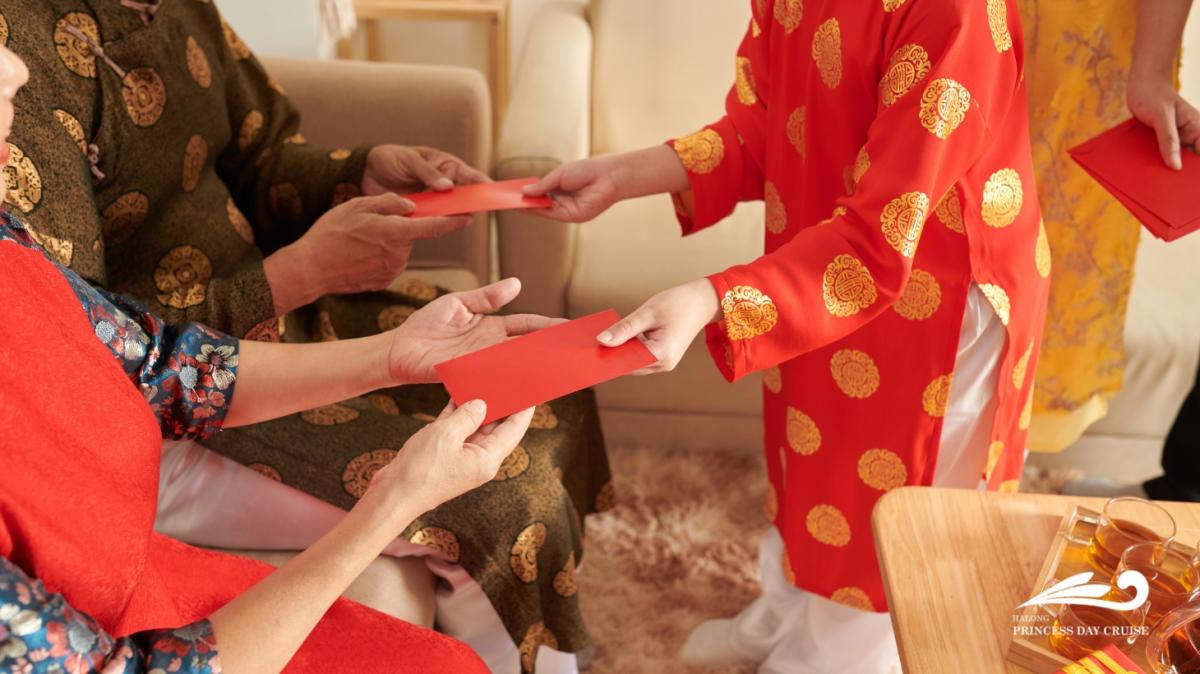
During the first days of the new year, children eagerly look forward to receiving red envelopes from their grandparents, parents, and relatives.
Known as lì xì, this tradition involves giving money in red envelopes as a way of wishing others good health, happiness, prosperity, and good fortune. The amount of money is not what matters most; the true value lies in the heartfelt wishes and positive intentions behind the gift.
Lucky money is not exclusively for children. Older family members may also receive red envelopes from younger generations as a gesture of respect and wishes for longevity and good health.
For international visitors, this is one of the most heartwarming Vietnamese customs. A small gift becomes a meaningful expression of care and good wishes for the year ahead.
5. First-Footing – Welcoming the First Visitor of the New Year
Another fascinating Vietnamese custom is xông đất, also known as first-footing.
According to traditional beliefs, the first person to enter a home after midnight on New Year's Eve may influence the family's luck and fortune throughout the coming year. For this reason, some families carefully choose someone with a cheerful personality, a successful life, or a compatible zodiac sign to be their first visitor of the year.
This folk tradition reflects the Vietnamese wish for a positive and fortunate beginning.
Today, the practice varies from family to family. Some continue to follow traditional beliefs, while others welcome visitors more spontaneously. This diversity also demonstrates how Vietnamese Tết culture continues to evolve and adapt to modern life.
6. New Year Greetings and Temple Visits – Sharing Good Wishes
During the first days of Tết, Vietnamese people traditionally visit their grandparents, parents, relatives, friends, and neighbors to exchange New Year wishes.
Common greetings include “An khang thịnh vượng” (Wishing you prosperity and well-being), “Vạn sự như ý” (May everything go as you wish), and “Sức khỏe dồi dào” (Wishing you good health). A simple “Chúc mừng năm mới” (Happy New Year) is also an essential part of the festive atmosphere.
Many people also visit pagodas, communal houses, and temples at the beginning of the year to pray for peace, health, and good fortune. For them, these visits offer a moment of spiritual reflection and a peaceful way to welcome the year ahead.
What makes these traditions particularly meaningful is that Tết is not only about individuals or families. It is also an occasion that strengthens community bonds through visits, conversations, and sincere wishes.
7. Avoiding Sweeping the Floor on the First Day – An Interesting Folk Belief
One Vietnamese custom that often sparks curiosity among international visitors is the tradition of avoiding sweeping the floor on the first day of Tết.
According to folk beliefs, sweeping the house on New Year's Day may accidentally sweep away the good luck and wealth that have just arrived. Therefore, many families thoroughly clean their homes before New Year's Eve and avoid sweeping during the first day of the new year.
Some people also avoid breaking household items, arguing, or saying unlucky words during the festive period.
These are not compulsory rules followed by everyone, but rather traditional beliefs that different families observe to varying degrees. Nevertheless, they all reflect a shared wish for a peaceful, fortunate, and prosperous new year.
Discover Vietnamese Tết Culture with Princess Cruise
Every Tết tradition tells a story about how Vietnamese people value family, community, nature, and new beginnings.
From traditional sticky rice cakes and red lucky-money envelopes to incense offerings on ancestral altars, these seemingly simple customs contribute to the unique cultural identity of Vietnamese Lunar New Year.
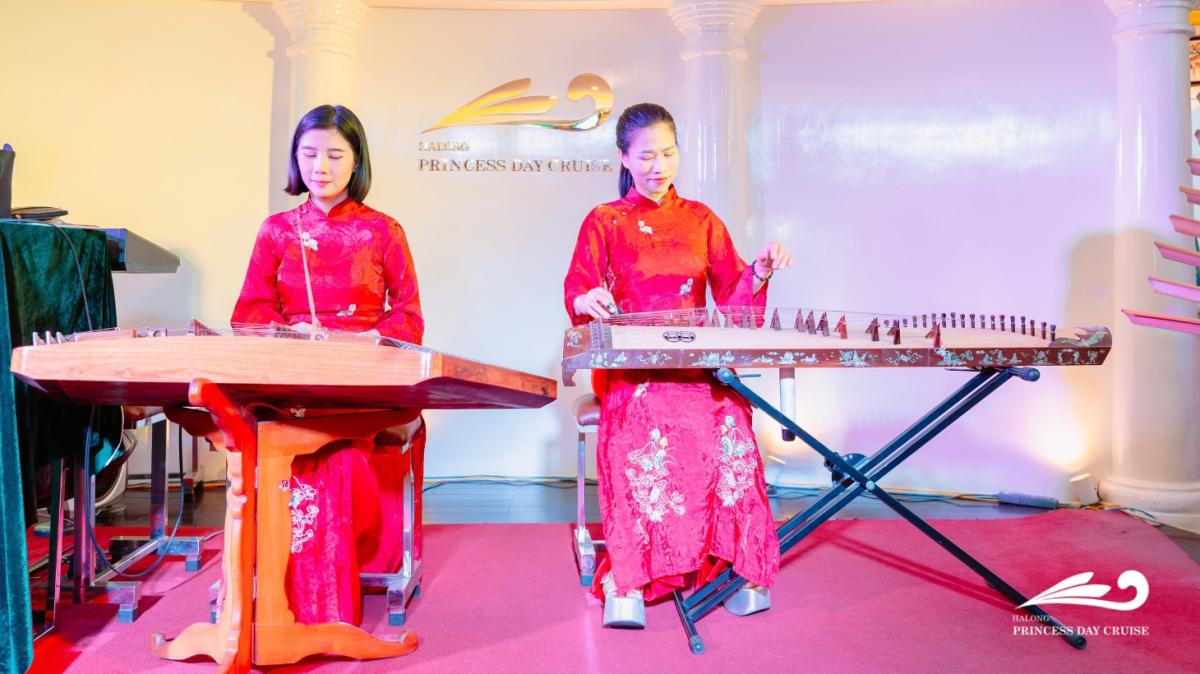
On a journey through Ha Long Bay, Princess Cruise also offers visitors opportunities to discover Vietnam's cultural heritage through traditional artistic performances, ethnic costumes, music, and interactive cultural activities.
After all, understanding a country is not just about exploring its famous landscapes. It is also about discovering how its people live, preserve their traditions, and pass meaningful values down through generations.
Vietnamese Tết can be experienced through the vibrant colors of spring flowers, the flavors of traditional dishes, and heartfelt New Year greetings. But at its heart, it is a story of family reunion, gratitude, and hope – values that continue to shape Vietnamese culture today.


