


Vietnam’s Conical Hat: How Did This Simple Hat Become a Cultural Symbol?
19/11/2026
|
Chia sẻ:
Among the images often used to introduce Vietnam to international visitors, alongside the graceful áo dài (Vietnamese traditional dress), the conical hat stands out with its simple shape and rustic charm.
Neither elaborate in design nor made from expensive materials, the conical hat has been part of Vietnamese life for generations. From rice fields and countryside markets to busy city streets, this humble hat has long been a familiar companion in the daily lives of Vietnamese people.
So, how did an everyday item designed to protect people from the sun and rain become one of the most recognizable cultural symbols of Vietnam?
1. The Conical Hat – A Simple Creation Inspired by Everyday Life
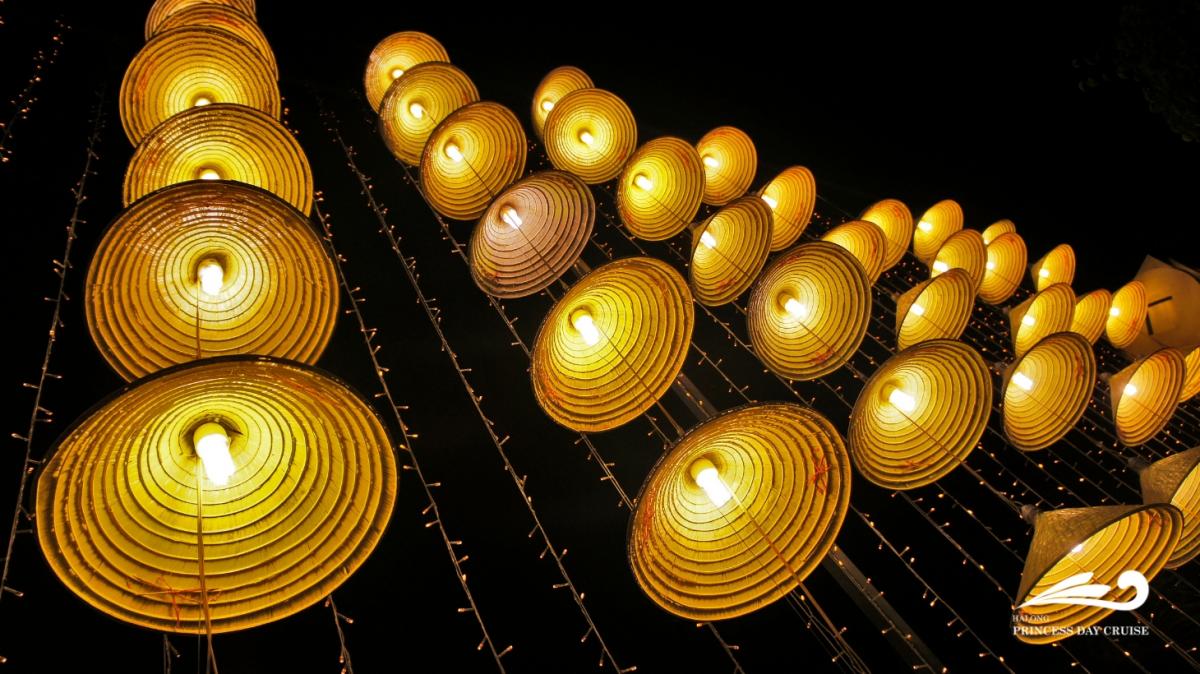
Vietnam is located in a tropical monsoon climate, where intense sunshine and sudden rain showers are common throughout the year. To protect themselves while working and travelling outdoors, Vietnamese people made use of natural materials such as leaves, bamboo and various types of fibers to create practical headwear.
The conical hat is therefore more than just an accessory. It reflects how Vietnamese people have adapted to their natural surroundings.
In the rice fields, it provides shade for farmers working under the sun. When going to the market or travelling along the streets, it offers protection from both sunshine and rain. After a long day of work, it can even be used as a handheld fan to create a refreshing breeze.
Its simplicity and versatility have allowed the conical hat to remain closely connected to Vietnamese everyday life for generations.
2. Behind Its Lightweight Design Lies a Delicate Handicraft Tradition
Looking at a finished conical hat, one might assume that making one is a relatively simple process. However, creating a hat that is both beautiful and durable requires considerable skill, patience and attention to detail.
Traditionally, the leaves are carefully selected, dried or treated to achieve the desired softness and color. The craftsman then prepares the frame using thin strips of bamboo, carefully shaped into circular rings and arranged in a conical structure. The leaves are placed over the frame, adjusted with precision and stitched together using neat, even threads.
Every stage requires careful craftsmanship. Leaves that are too dry may break easily, uneven stitching can affect the hat's shape, while a weak frame can reduce its durability.
Chuong Village, a famous traditional conical hat-making village in Hanoi, is one of the places where this craft has been preserved through generations. Each pristine white hat is the result of the artisans' experience, meticulous workmanship and dedication to their traditional profession.
3. Different Regions, Different Styles of Conical Hats
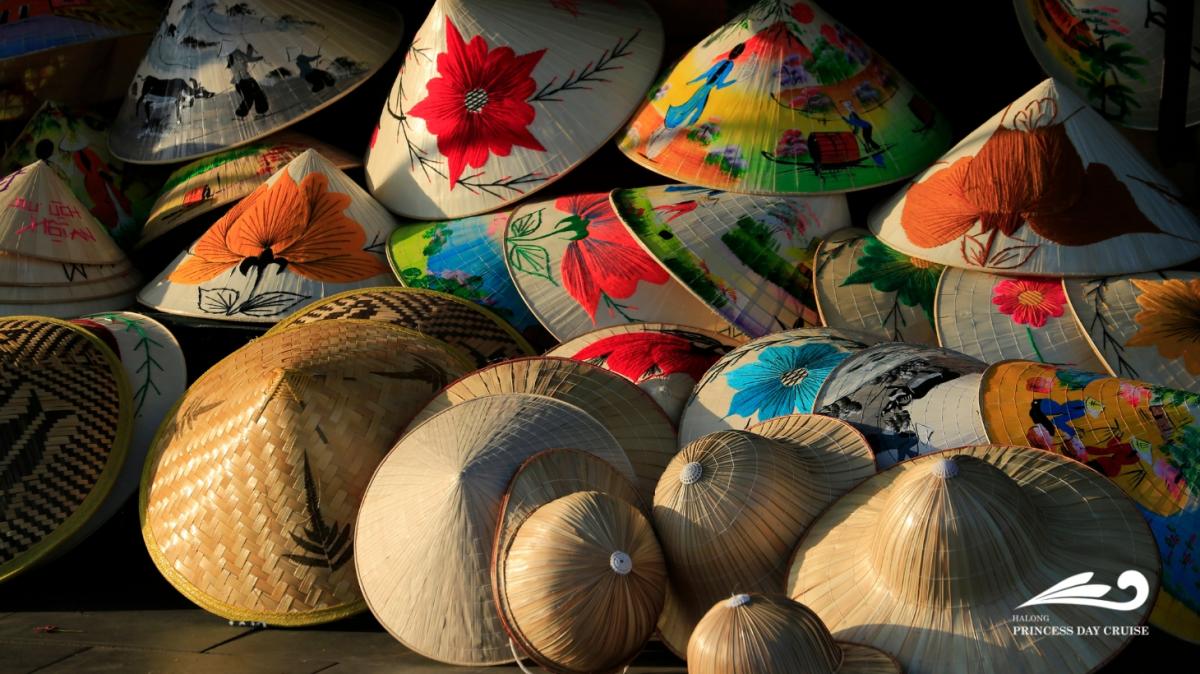
Not all Vietnamese conical hats look the same. Depending on locally available materials, craftsmanship techniques and practical needs, different regions have developed distinctive styles of their own.
In Northern Vietnam, Chuong Village is well known for its elegant, lightweight conical hats with their delicate white appearance. In Hue, the famous non bai tho (poem conical hat) captures attention with images or verses hidden between layers of leaves, becoming visible when the hat is held up to the light.
Meanwhile, the non ngua (Phu Gia horse hat) from Binh Dinh Province stands out for its intricate craftsmanship and elaborate decorative details. These different styles reflect the diversity of traditional hat-making and the creativity of local communities.
This regional diversity means that the conical hat is not merely a shared symbol of Vietnam, but also carries the unique stories and cultural identity of each region.
4. From an Everyday Item to a Symbol of Vietnamese Culture
Perhaps the image most commonly associated with the Vietnamese conical hat is its combination with the graceful áo dài.
A flowing áo dài paired with a white conical hat gently tilted under the sunlight has become a familiar image in Vietnamese poetry, paintings and photographs introducing the country to the world. Yet, the cultural significance of the conical hat goes far beyond its graceful appearance.
It is also associated with farmers working in the rice fields, women going to traditional markets, artisans preserving their craft and generations of Vietnamese people who have grown up alongside this familiar part of everyday life.
Today, as modern hats and other forms of headwear become increasingly popular, particularly in urban areas, the conical hat is no longer a regular part of everyone's daily routine. Nevertheless, it continues to be preserved in cultural traditions, festivals, artistic performances and tourism activities.
In this way, an everyday object continues to find its place in modern life without losing the cultural meaning it has carried for generations.
5. Discover the Beauty of Vietnam’s Conical Hat with Princess Cruise

During a journey through Ha Long Bay, Princess Cruise offers more than just the opportunity to admire breathtaking natural landscapes. It also introduces visitors to familiar and meaningful elements of Vietnamese culture.
The conical hat appears as a special highlight within the cruise's cultural experience. Through visual displays, cultural introductions and photo opportunities, visitors can discover this iconic symbol of Vietnam in a more engaging and accessible way.
For international guests, a simple conical hat can inspire many interesting questions: Why does it have a conical shape? How are the leaves carefully stitched onto the frame? How do Vietnamese people use it in their everyday lives?
And through these small questions, fascinating stories about the climate, traditional handicrafts, agricultural life and the beauty of Vietnamese culture gradually unfold.
A conical hat may look simple, but the story behind its creation carries many values worth preserving and appreciating.
Amid the magnificent scenery of Ha Long Bay, join Princess Cruise in discovering more stories about Vietnamese culture – where even the most familiar things can hold the deepest meanings.


