


From Rustic Family Meals to Modern Dining: The Cultural Story Behind Vietnamese Cuisine
17/11/2026
|
Chia sẻ:
A traditional Vietnamese family meal does not need to be elaborate. A simple spread of steamed white rice, boiled vegetables, a bowl of hot soup, richly braised fish and a small bowl of fish sauce placed at the center of the table is often enough to evoke a sense of warmth and familiarity.
Yet behind these seemingly simple dishes lies a rich story of daily life, local ingredients and the way Vietnamese people preserve family bonds through food.
From rustic home-cooked meals to modern dining experiences, Vietnamese cuisine continues to reflect its distinctive cultural values through its flavors, cooking techniques and the way people come together to enjoy a meal.
The Family Meal – Where Stories Begin
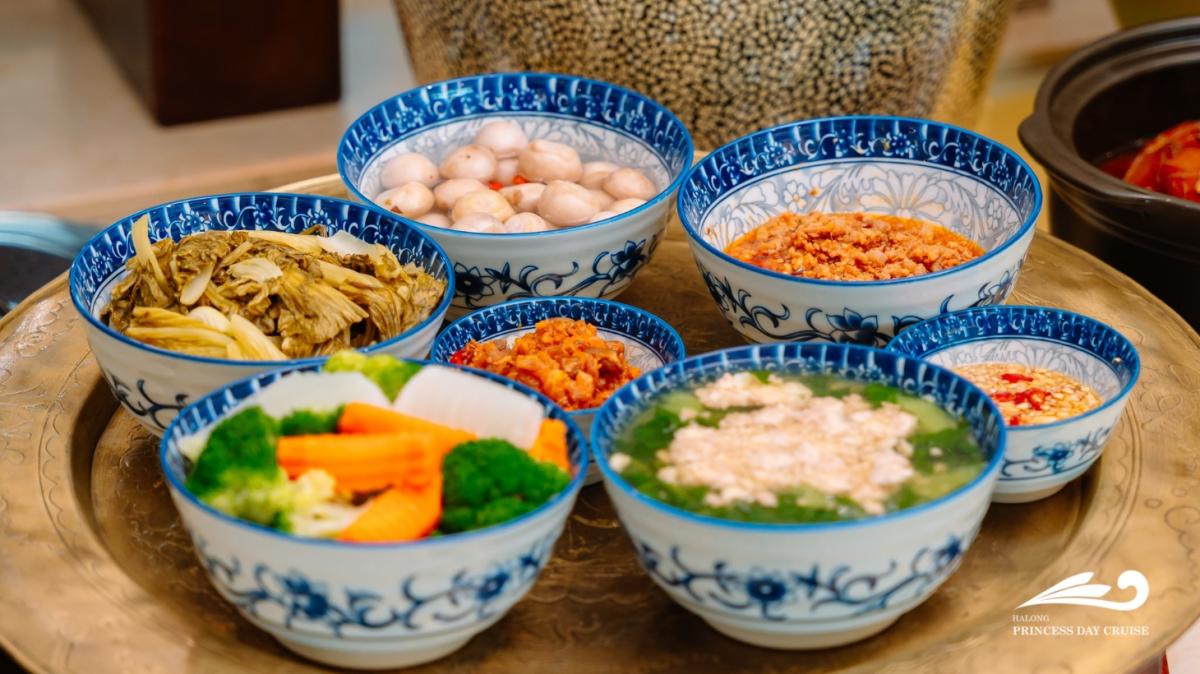
In Vietnamese daily life, a family meal is more than just a time to eat. It is an opportunity for family members to gather after a long day of work or study.
A traditional meal often includes steamed rice, a savory dish, vegetables, soup and dipping sauce. The dishes are placed together in the center of the table, while each person has their own rice bowl and chopsticks. Everyone shares the food, takes portions from the communal dishes and enjoys conversations throughout the meal.
This dining style reflects the spirit of sharing and togetherness. Younger family members traditionally invite their elders to eat first, while hosts may serve food to their guests as a gesture of warmth and hospitality.
Therefore, understanding Vietnamese culture does not always require exploring grand ceremonies or elaborate traditions. Sometimes, simply observing how a family prepares and enjoys a meal is enough to discover the beauty of everyday Vietnamese life.
Fish Sauce, Fresh Herbs and the Art of Balancing Flavors
One of the defining characteristics of Vietnamese cuisine is the way different ingredients and seasonings are combined to create harmony.
Fish sauce is an essential ingredient in many Vietnamese dishes, from braised and simmered recipes to soups and dipping sauces. A small bowl of fish sauce mixed with lime, sugar, garlic and chili can transform the flavor of an entire meal. Fresh herbs, raw vegetables, lime, chili and other natural seasonings also add layers of aroma and taste.
Interestingly, Vietnamese cooking places great emphasis on balancing different flavors. Rich and savory dishes are often served with refreshing vegetables, while oily or fatty foods are complemented by sour and spicy elements to create a more balanced dining experience.
This thoughtful combination means that a Vietnamese meal rarely relies on just one dominant flavor. Instead, it brings together multiple tastes and aromas in a harmonious way.
Northern, Central and Southern Vietnam – Three Distinct Culinary Identities
Vietnamese cuisine does not follow a single formula across the country. Differences in geography, climate, local ingredients and daily lifestyles have shaped the distinctive culinary identities of each region.
Northern Vietnamese cuisine generally emphasizes balance, subtle flavors and the natural taste of ingredients. Familiar dishes such as pho, bun cha, cha ca and braised fish are well-known representatives of this region.
Central Vietnamese cuisine, meanwhile, is recognized for its bold flavors, frequent use of chili and distinctive seasoning techniques. Bun bo Hue, Mi Quang, traditional Hue cakes and various fermented sauces all reflect the unique character of this region.
In Southern Vietnam, cuisine often features sweeter flavors and a generous use of vegetables, tropical fruits, coconut milk and ingredients from rivers and waterways. Com tam, banh xeo, hu tieu and various hotpots are among its popular dishes.
These regional differences do not divide Vietnamese cuisine. Instead, they enrich its culinary landscape, with each region telling its own story about the land and its people through food.
From Rustic Dishes to Modern Dining Experiences
Alongside the development of tourism and hospitality, Vietnamese cuisine can now be enjoyed in a wide variety of settings, from street food stalls and family dining tables to restaurants and professionally presented dining experiences.
Although presentation and dining styles may have evolved, many of the core values remain unchanged. These include the diversity of local ingredients, the art of combining flavors and the desire to offer guests a memorable dining experience.
A clay-pot braised fish dish may bring back memories of a traditional countryside kitchen, while a plate of Vietnamese traditional cakes can evoke festive occasions and family celebrations. Even when served at a modern dining table, these familiar dishes continue to tell stories of Vietnamese culture, heritage and memories.
Discover Vietnamese Flavors on a Journey with Princess Cruise
On a journey exploring Ha Long Bay, cuisine is also an important part of the overall travel experience.
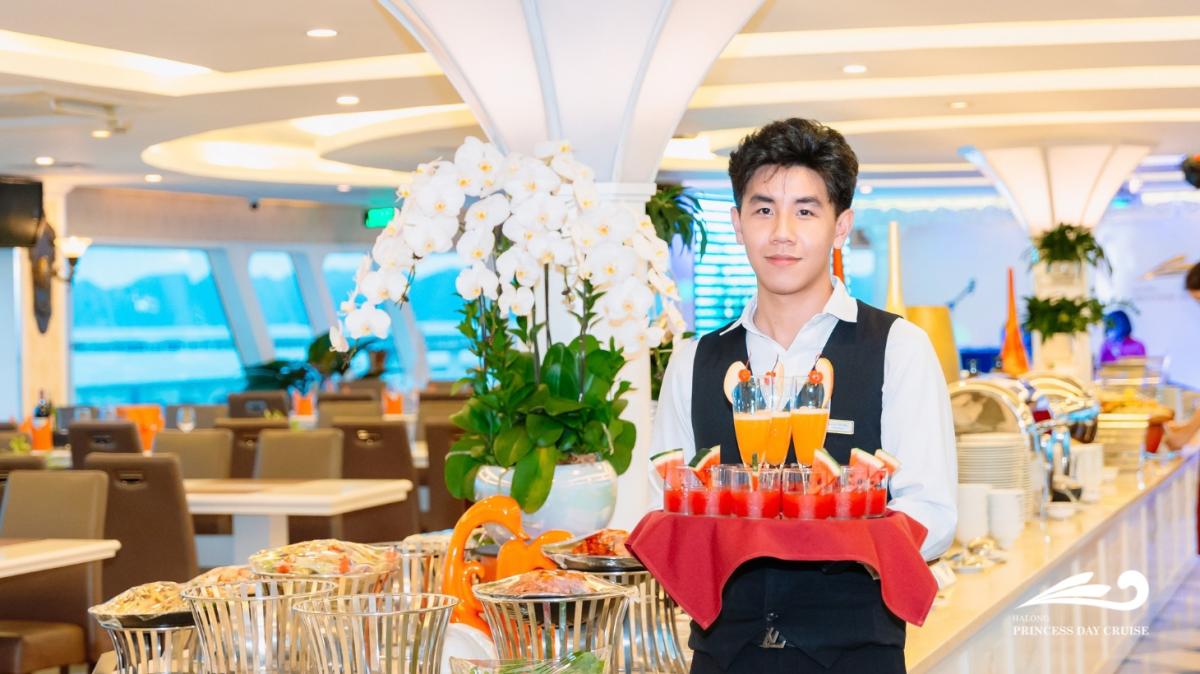
At Princess Cruise, guests can enjoy a buffet featuring more than 100 Asian and European dishes, including a selection of fresh seafood and Vietnamese-inspired specialties. Alongside familiar dishes from modern dining menus, traditional Vietnamese cakes and flavors inspired by rustic home-cooked meals help bring local culinary culture closer to international visitors.
Amid the spectacular scenery of Ha Long Bay, dining aboard the cruise is more than simply a moment to relax and enjoy good food. It is also an opportunity for guests to discover the diversity of local ingredients, traditional cooking techniques and cultural values reflected in every dish.
From simple countryside family meals to modern dining experiences aboard a cruise, Vietnamese cuisine continues to captivate visitors through the stories behind its flavors.
Because sometimes, one of the most meaningful ways to understand a destination is not just to visit its famous landmarks, but to sit down, share a meal and experience its culture through every taste.


