


Vietnamese Folk Arts: Living Heritage in Modern Life
21/11/2026
|
Chia sẻ:
A wooden puppet moving across the surface of the water, a traditional Chèo melody echoing through a village communal house, or the rhythmic footsteps of a bamboo dance – these are just a few familiar images from Vietnam’s rich heritage of folk arts.
What makes these art forms special is that they do not exist only in memories or history books. They are still being performed, practiced, passed down through generations and finding their way into modern life in many different forms.
So, what gives Vietnamese folk arts their enduring vitality?
1. Chèo and Tuồng – When Traditional Theatre Tells Stories of Vietnamese Life
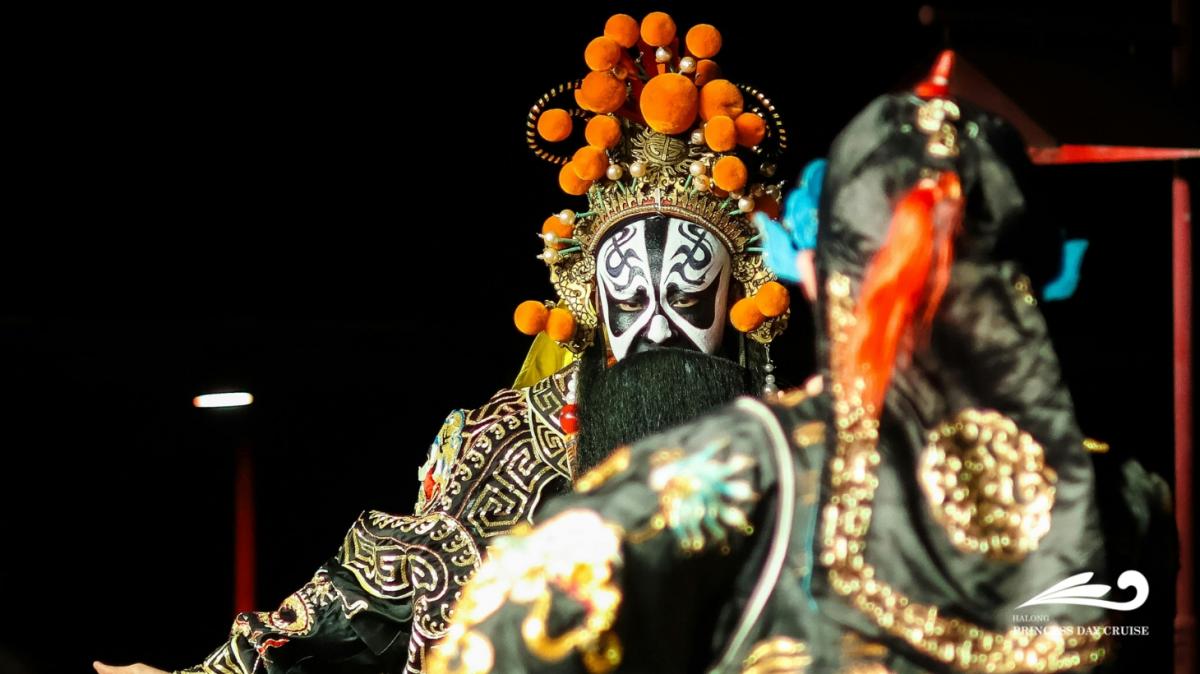
Before modern theatres came into existence, village communal houses and public gathering spaces were popular venues where local communities came together to enjoy traditional performances.
Chèo developed particularly in the northern Red River Delta. Its stories often draw inspiration from everyday rural life. Through expressive singing, traditional musical accompaniment and distinctive acting techniques, Chèo portrays family relationships, love, social customs and humorous stories that often carry elements of satire.
Meanwhile, Tuồng is distinguished by its stylized acting, elaborate makeup, symbolic costumes and highly expressive movements. Its stories frequently explore themes of loyalty, honour and personal responsibility through a distinctive theatrical language.
Although their styles differ, both Chèo and Tuồng demonstrate that traditional theatre was never simply a form of entertainment. It was also a way for earlier generations to tell stories, express their values and reflect on society.
2. Water Puppetry – A Unique Stage Born from Rural Life
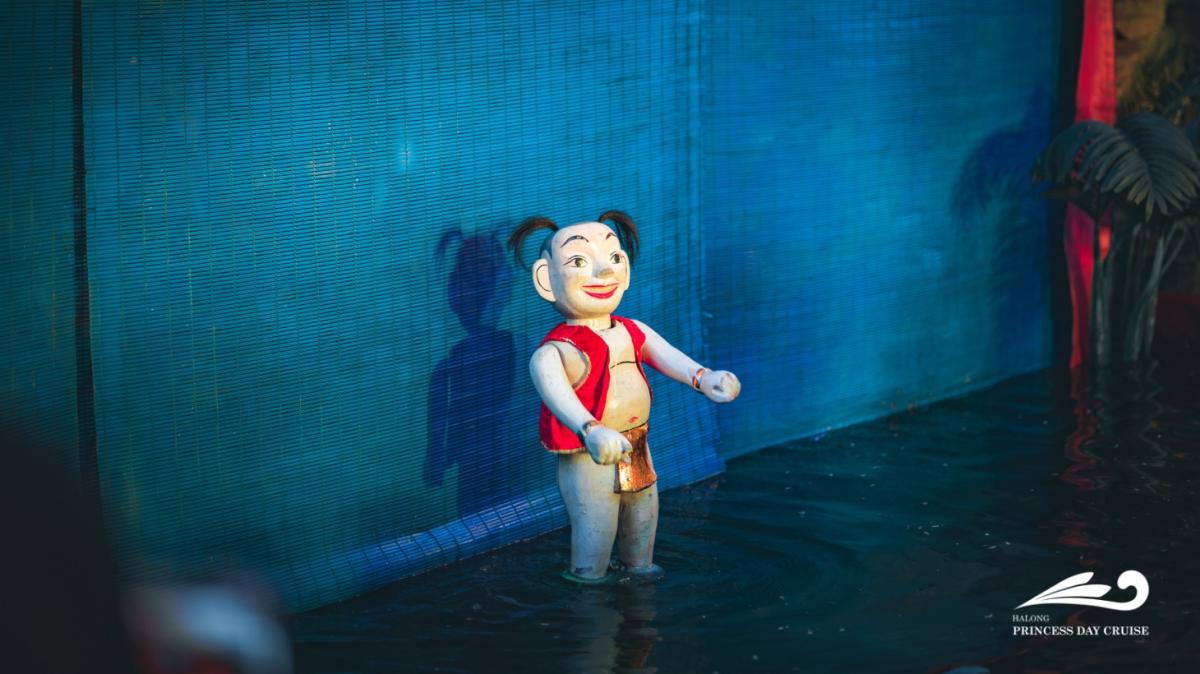
While many traditional performing arts take place on conventional stages, water puppetry has a very special setting: the surface of a pool of water.
Originating from the agricultural life of northern Vietnam's Red River Delta, water puppetry was traditionally performed during village festivals, particularly after harvest seasons. Wooden puppets move across the water, bringing to life scenes of duck herding, fishing, rice cultivation and familiar folk tales.
Behind these seemingly simple movements lies the sophisticated craftsmanship of puppeteers, who control the figures from behind a screen known as the puppet chamber. Accompanied by drums, traditional music and singing, each performance becomes a vivid story about the daily lives of Vietnamese people in the past.
Today, water puppetry continues to be performed at theatres and tourist destinations, attracting audiences from both Vietnam and around the world.
3. Đông Hồ Folk Paintings – Telling Stories Through Colours and Images
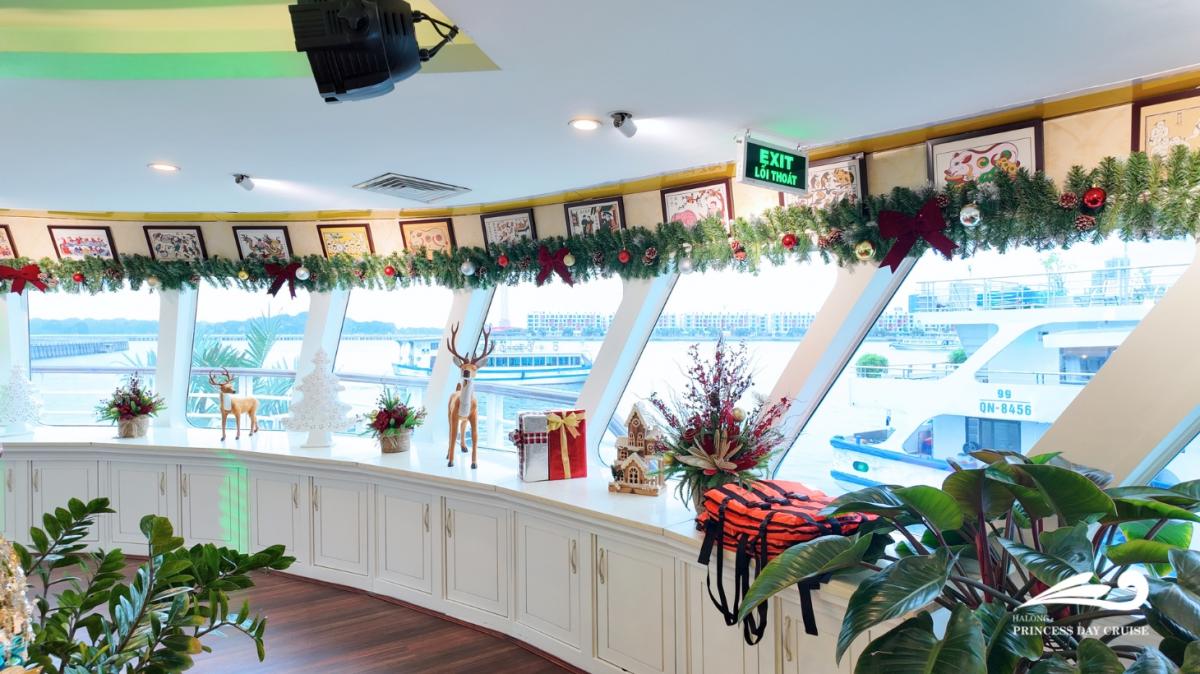
Not every form of folk art requires a stage or musical accompaniment. In Đông Hồ folk paintings, cultural stories are told through woodblock prints, natural colours and images inspired by everyday life.
This traditional art form originated in Đông Hồ Village, in the historic Kinh Bắc region of northern Vietnam. Its themes often revolve around daily activities, labour, celebrations and traditional beliefs. Images of pigs, chickens, family gatherings and scenes carrying moral messages have become distinctive features of this painting style.
One of its most fascinating aspects is the traditional printing technique, which uses carved wooden blocks, dó paper and colours made from natural materials. Each painting is more than just a work of art; it reflects how Vietnamese people observe life and express their hopes for peace, prosperity and abundance.
In 2025, the craft of making Đông Hồ folk paintings was inscribed by UNESCO on the List of Intangible Cultural Heritage in Need of Urgent Safeguarding. This recognition highlights the importance of preserving and passing down traditional craftsmanship to future generations.
4. Bamboo Dance – When Folk Art Becomes a Community Celebration
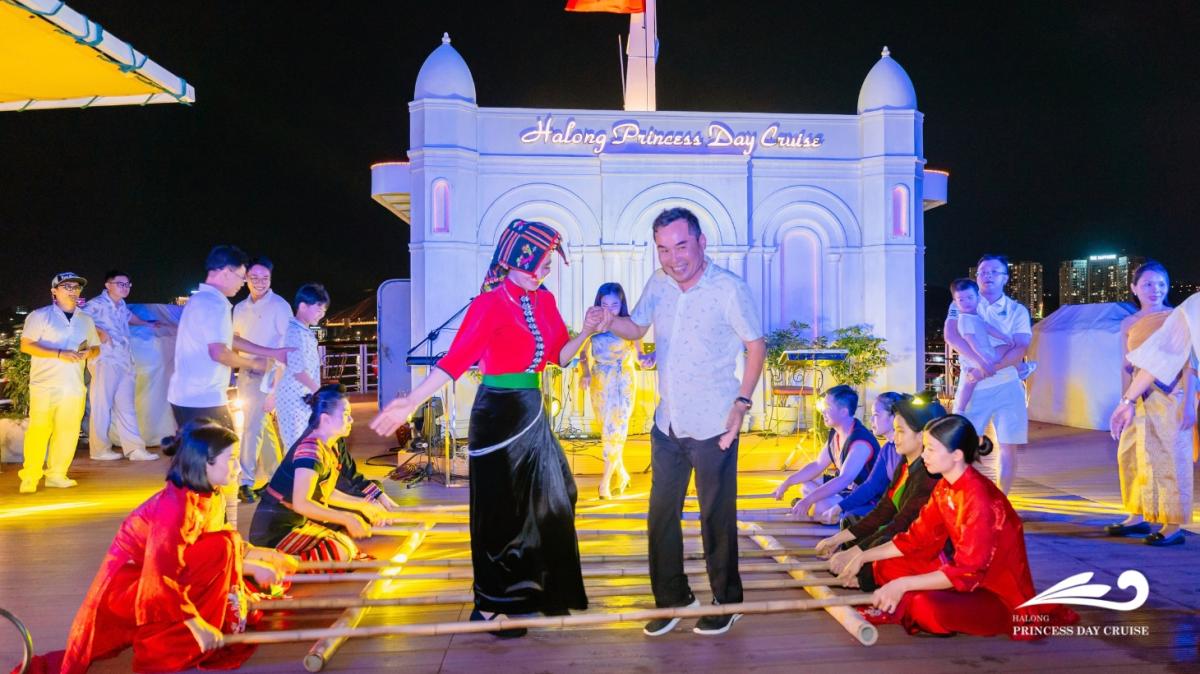
Not every traditional art form requires audiences to sit back and watch. In the bamboo dance, visitors can become part of the performance themselves.
Associated with the cultural traditions of several ethnic communities in Vietnam, this dance features bamboo poles rhythmically opened and closed to the beat. Participants must coordinate their steps, moving in and out of the poles as they come together and separate in a steady rhythm.
The charm of the bamboo dance lies in its communal spirit. First-time participants may feel a little hesitant or occasionally miss a beat, but these spontaneous interactions are precisely what make the experience so enjoyable and welcoming.
Today, bamboo dancing is featured in cultural exchange programmes, festivals and interactive activities for visitors. Folk art is therefore not simply something to observe, but something people can experience through their own participation.
5. Keeping Cultural Heritage Alive in Modern Life
Preserving cultural heritage means more than simply collecting artefacts or documenting history. Its true vitality lies in the people who continue to practice these traditions, pass them down and create new experiences inspired by their cultural values.
This is how Vietnamese folk arts remain relevant in modern life: through theatrical performances, cultural festivals, educational programmes and tourism experiences.
On a journey through Ha Long Bay, Princess Cruise offers visitors opportunities to discover Vietnamese culture through traditional performances and interactive activities, including Tuồng theatre, traditional musical instruments, bamboo dancing, tò he folk figurine making and Đông Hồ folk paintings.
Rather than simply listening to explanations about different art forms, visitors can watch traditional artists perform, learn about the process behind handmade crafts or take part in selected cultural activities themselves.
After all, folk art does not belong solely to the past as long as people continue to practice it and new generations remain curious about its stories and values.
Amid the spectacular heritage landscape of Ha Long Bay, every performance and cultural activity aboard Princess Cruise offers another way to keep Vietnamese cultural stories alive – bringing them closer to today's visitors and introducing their beauty to friends from around the world.


