


What Makes Vietnamese Culture So Fascinating to International Visitors? 7 Interesting Things You May Not Know
15/11/2026
|
Chia sẻ:
Why do Vietnamese people often greet each other with “Have you eaten yet?” instead of simply saying hello? Why do people share dishes placed in the middle of the dining table? And why is it considered inappropriate to leave chopsticks standing upright in a bowl of rice?
For international visitors, Vietnam is fascinating not only for its stunning landscapes and diverse cuisine but also for the everyday customs that reveal the country's unique cultural identity. What may seem like ordinary habits to locals can open the door to surprising and meaningful cultural stories.
Here are seven distinctive aspects of Vietnamese culture that may surprise visitors and offer a deeper understanding of the country and its people.
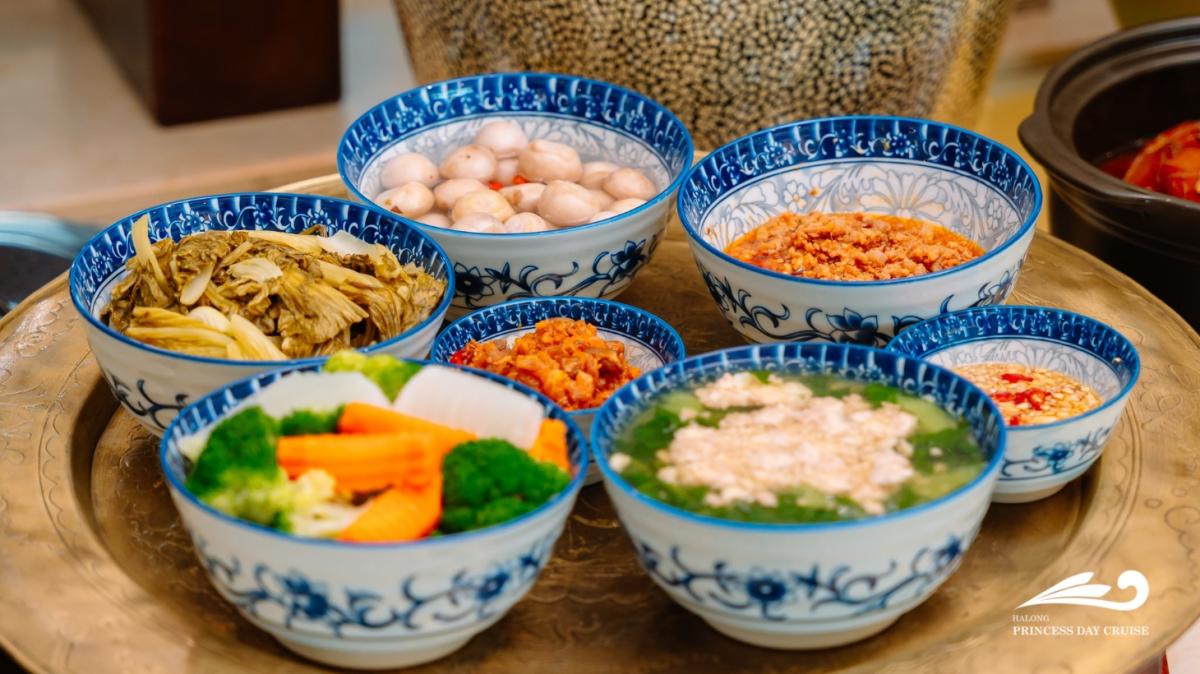
1. “Have You Eaten Yet?” – A Very Vietnamese Way of Saying Hello
In many countries, greetings often begin with questions about someone's health or wishes for a good day. In Vietnam, however, “Have you eaten yet?” is a familiar way to greet someone.
The question does not necessarily mean that the speaker is inviting you to have a meal. Sometimes, it is simply a warm expression of care, friendliness, and a desire to start a conversation.
In Vietnamese culture, a meal is more than just a time to eat. It is an opportunity for family members to come together, share stories, and catch up on each other's day. That is why asking about someone's meal has naturally become a way of showing interest and affection.
2. One Meal, Many Shared Dishes – The Culture of Sharing
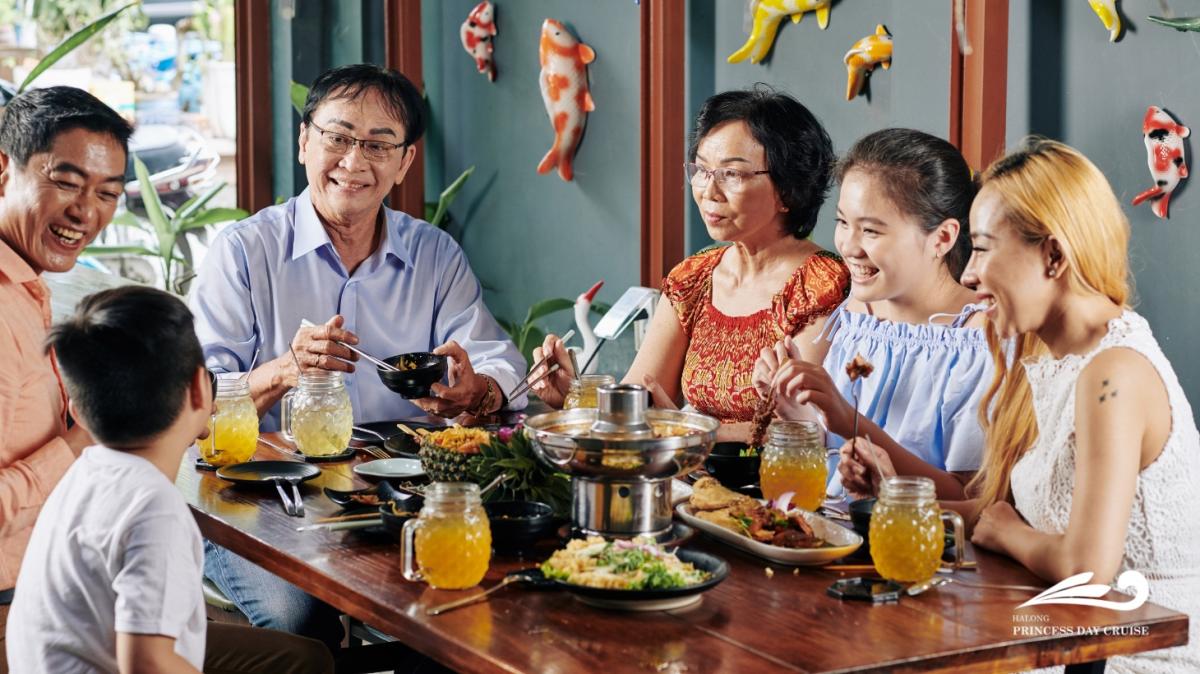
If you have ever shared a meal with a Vietnamese family, you may have noticed something different: most dishes are placed in the middle of the table for everyone to enjoy together.
Each person has their own rice bowl and chopsticks, while shared dishes such as meat, vegetables, and soup are placed within everyone's reach. Older family members or hosts may even serve food to their guests as a gesture of hospitality.
This dining tradition reflects the Vietnamese values of togetherness and community. A meal is not simply about everyone enjoying their favorite food individually, but about bringing people together around the same table.
3. Ancestral Altars – Keeping Family Memories Alive
One distinctive feature of many Vietnamese homes is the ancestral altar. Usually placed in a respectful and prominent area, it is decorated with incense, flowers, fresh fruit, and offerings during special occasions such as Lunar New Year, death anniversaries, and important family celebrations.
This tradition reflects the Vietnamese practice of honoring ancestors and preserving a strong connection between generations.
For Vietnamese people, lighting an incense stick is more than a religious or spiritual ritual. It is also a way to remember grandparents and family members who have passed away, while reminding younger generations of their roots and family heritage.
This tradition offers visitors a glimpse into the important role that family and ancestry play in Vietnamese spiritual and cultural life.
4. Why Are There So Many Ways to Address People in Vietnamese?
In Vietnamese, the way you address someone depends on more than just their name. Age, social relationships, and family hierarchy all play an important role in everyday communication.
A person may be addressed as anh (older brother), chị (older sister), cô (aunt), chú (uncle), bác (older relative), or ông/bà (grandfather/grandmother), depending on the situation.
Interestingly, even people who are not related by blood often use these family-based terms to express friendliness, respect, and familiarity.
This makes Vietnamese particularly interesting, but sometimes challenging, for international learners. Learning the language is not just about memorizing vocabulary; it also means understanding social relationships and choosing the appropriate form of address.
5. Sidewalk Culture – A Unique Part of Everyday Vietnamese Life
For many international visitors, the sight of small plastic stools, roadside food stalls, and cups of coffee served along busy sidewalks becomes one of the most memorable images of Vietnam.
Sidewalks are not simply places to eat and drink. They are also social spaces where friends meet, people chat over tea, read newspapers, or simply sit and watch the rhythm of city life.
From a bowl of pho in the morning to a glass of iced tea in the afternoon, sidewalk culture reflects an open, friendly, and community-oriented lifestyle.
Sometimes, these simple everyday scenes reveal more about Vietnamese life than even the country's most famous tourist attractions.
6. Chopsticks and the Unwritten Rules of Vietnamese Dining Etiquette
Chopsticks are an essential part of Vietnamese dining culture, but using them also comes with a few traditional rules.
One important thing to avoid is placing chopsticks upright in a bowl of rice. This arrangement resembles incense sticks offered during ceremonies to honor the deceased, making it inappropriate at an ordinary dining table.
Another dining etiquette tip is to avoid using your personal chopsticks to transfer food directly into another person's bowl. Using serving utensils or placing the food onto a shared plate is generally considered more polite.
These small customs show that Vietnamese dining culture is not only about enjoying delicious food but also about being considerate and respectful toward others.
7. Water Puppetry – A Traditional Art Form Born in the Rice Fields
Not every country has a form of traditional theatre where water becomes the stage. Water puppetry is one of Vietnam's most distinctive folk art forms, originating from the agricultural communities of the Red River Delta in northern Vietnam.
According to Vietnam Tourism, this art form dates back approximately a thousand years and was closely associated with village festivals held after the rice harvest. Wooden puppets move across the water, bringing everyday scenes to life, from duck herding and fishing to rice planting and familiar folk tales.
What makes water puppetry particularly fascinating is the skill behind each performance. Hidden behind the stage, puppeteers control the wooden figures using an intricate system of poles and strings beneath the water.
Accompanied by traditional music, each performance is both an entertaining spectacle and a storytelling experience that offers a glimpse into the daily lives and cultural traditions of Vietnamese people in the past.
Discover Vietnamese Culture with Princess Cruise
Vietnamese culture is not found only in history books or heritage monuments. It lives in the way people greet one another, share meals, honor their ancestors, connect with their communities, and preserve traditional art forms.
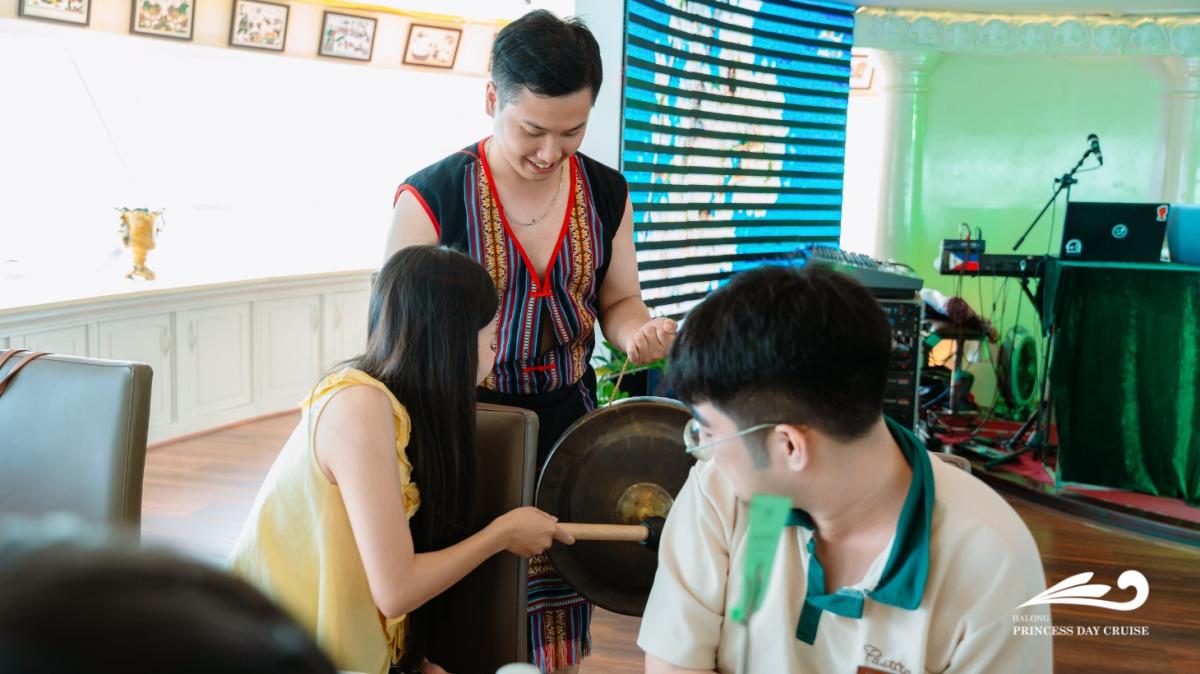
On a journey through Ha Long Bay, Princess Cruise offers a different perspective on Vietnamese culture through traditional artistic performances and cultural experiences on board. From Hue Royal Court Music and traditional Vietnamese instruments to trống cơm performances and traditional costume showcases, each experience introduces visitors to another story waiting to be discovered.
Because sometimes, what makes a journey truly memorable is not only what you see, but also what you learn and understand about the destination you have visited.
With Halong Princess, take the time not only to admire the breathtaking beauty of Ha Long Bay but also to discover the vibrant cultural colors that make Vietnam truly unique.


