


From the Rhythm of Phách to the Melodies of the Đàn Tranh: The Sounds That Define Vietnamese Musical Identity
14/11/2026
|
Chia sẻ:
Some sounds need no introduction to evoke the distinctive character of Vietnamese culture. They may be the rhythmic beats of phách, a traditional percussion instrument used in folk performances, the gentle melodies of the đàn tranh (Vietnamese zither), or the lively rhythms of the trống cơm (rice drum) accompanying traditional folk dances.
Traditional Vietnamese music is more than a collection of melodies passed down through generations. Behind every instrument and rhythm lies a story of everyday life, customs, and the spirit of the Vietnamese people. From familiar folk melodies to the solemn sounds of Hue Royal Court Music, each contributes to a vibrant and diverse musical landscape.
Phách – The Simple Rhythm Behind Traditional Vietnamese Performing Arts
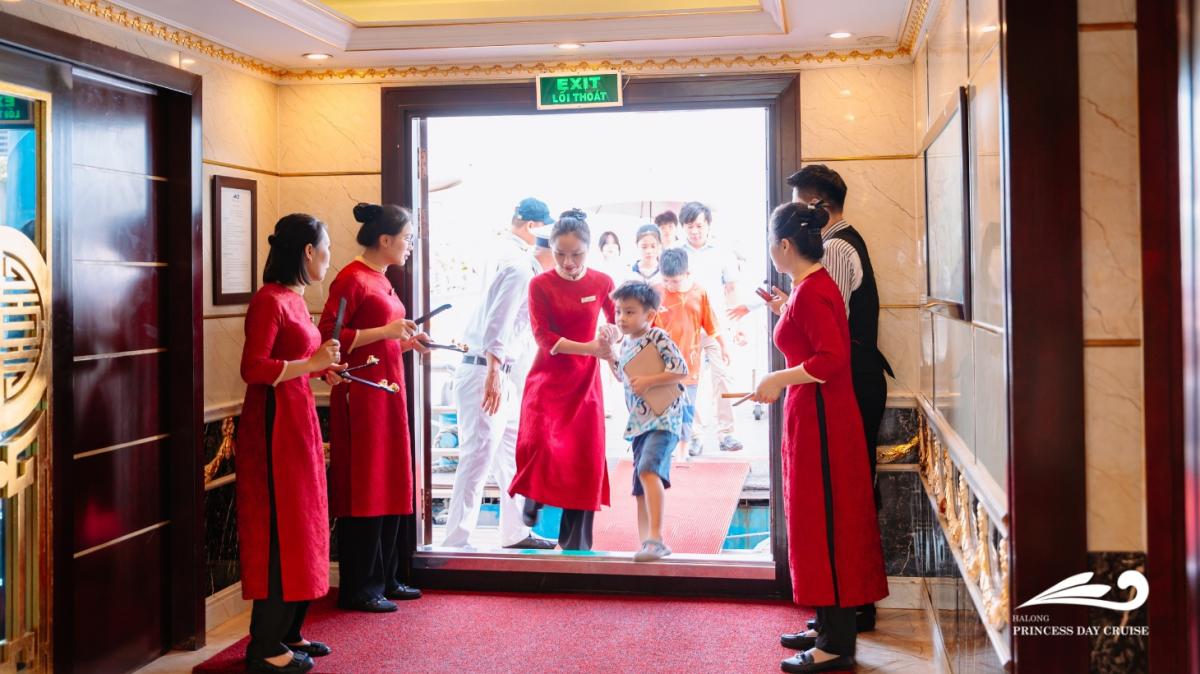
In Vietnamese folk music, phách is a percussion instrument that plays an important role in maintaining rhythm and guiding musical tempo. With its relatively simple construction, phách is commonly used in traditional singing and performances, helping artists maintain the beat and emphasize the rhythm of a melody.
Interestingly, this small instrument can create a sense of connection throughout an entire performance. Its sound may not be particularly loud or prominent, but every beat helps define the tempo, bringing greater harmony to both the singing and the overall performance.
When exploring traditional Vietnamese arts, even the simplest sounds can reveal fascinating insights into how Vietnamese people create, perform, and appreciate music.
Đàn Tranh – The Gentle Melodies of Vietnamese Music
While phách creates the rhythm, the đàn tranh brings melodies filled with emotion.
The đàn tranh is a traditional Vietnamese plucked zither, featuring a long wooden soundbox with multiple strings stretched across its surface. Musicians use their fingers or plectrums to pluck the strings, while adjusting the pitch and resonance through delicate movements of the other hand.
Its sound can be clear and delicate, yet at times lively and full of rhythm. Thanks to its versatility, the đàn tranh appears in various forms of traditional Vietnamese music, as well as contemporary compositions that blend folk elements with modern influences.
For listeners, the charm of the đàn tranh lies not only in its sound but also in the way musicians bring each string to life. Every movement of their hands contributes to creating a unique melody.
Trống Cơm – The Lively Rhythms of Vietnamese Folk Art
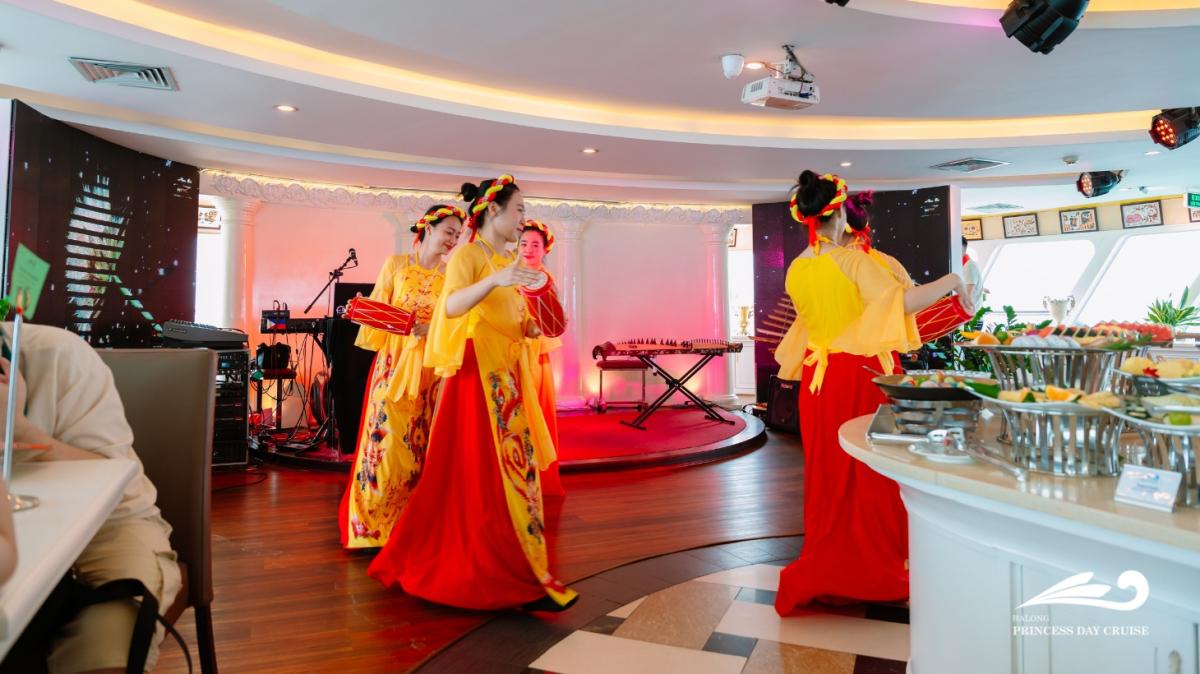
Alongside gentle melodies, traditional Vietnamese music also features cheerful and energetic rhythms. The trống cơm is one of the distinctive instruments that brings this lively character to life.
The trống cơm is a traditional cylindrical drum with two drumheads, typically worn across the performer's body during performances. Its distinctive sound helps establish the rhythm of folk songs and dances, creating an atmosphere that is both joyful and familiar.
In traditional performances, the trống cơm often accompanies dance movements, singing, and other musical instruments. Together, these elements create the vibrant spirit of Vietnamese folk art, where music is not only something to listen to but also something to experience through movement and interaction.
Hue Royal Court Music – The Music of Vietnam's Imperial Past
Another distinctive expression of Vietnamese musical heritage can be found in Hue Royal Court Music, known as Nhã nhạc cung đình Huế.
Unlike the lively and familiar atmosphere of many folk music traditions, Hue Royal Court Music is characterized by its ceremonial nature and carefully structured performance traditions.
This form of music was once performed during important ceremonies of Vietnam's imperial court. Its performances combine musical instruments, singing, and dance to create a solemn artistic atmosphere rich in cultural symbolism.
In 2003, Hue Royal Court Music was recognized by UNESCO as a Masterpiece of the Oral and Intangible Heritage of Humanity. This recognition affirmed the cultural significance of this distinctive court art form while helping introduce traditional Vietnamese music to a wider international audience.
Princess Cruise – Where Traditional Vietnamese Music Comes Alive in the Heart of the Heritage Site
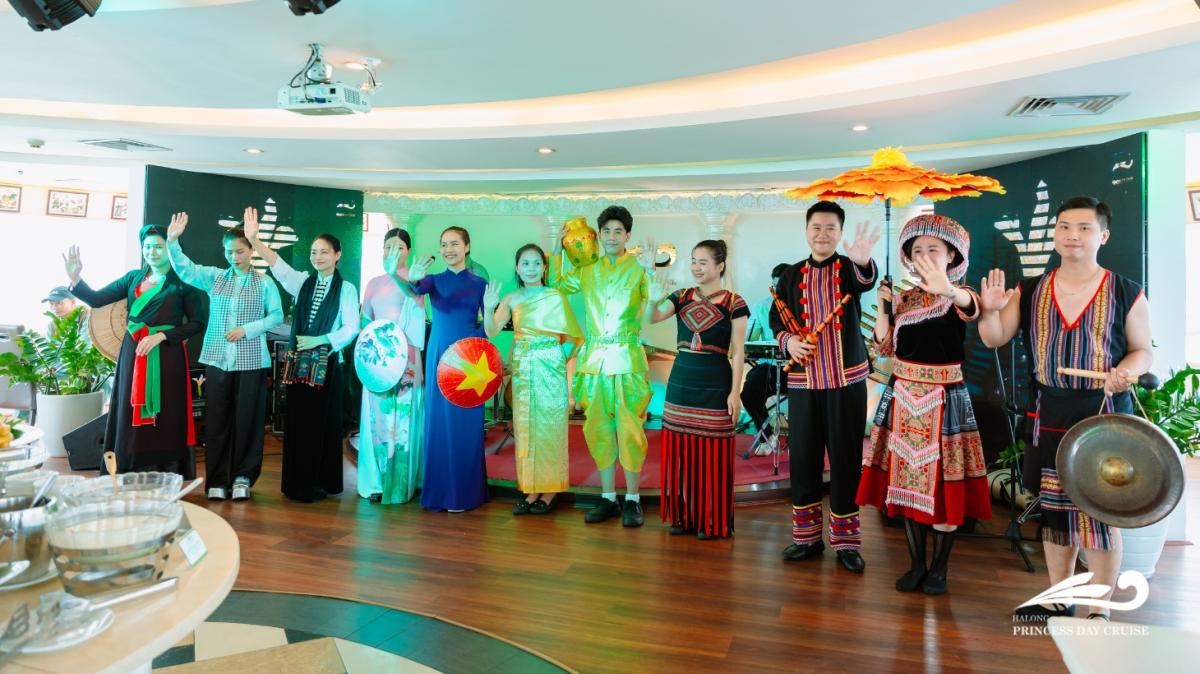
During a journey to explore Ha Long Bay, Princess Cruise offers guests the opportunity to discover Vietnamese culture through live artistic performances.
The sounds of traditional Vietnamese instruments, including the đàn tranh, phách, trống cơm, and performances inspired by Hue Royal Court Music, contribute to a diverse cultural atmosphere aboard the cruise.
In particular, the collaboration between a Philippine band and Vietnamese traditional instruments brings a fresh perspective to musical performances, demonstrating how music can connect artists from different cultural backgrounds.
For international visitors, this is more than an opportunity to enjoy a performance. It is also a chance to observe traditional instruments, listen to unfamiliar sounds, and discover more about Vietnam's artistic heritage.
Amid the open waters of Ha Long Bay, traditional music adds another dimension to the journey. While the natural scenery allows visitors to see the beauty of the heritage site, Vietnamese melodies offer them a deeper way to experience the country's culture and spirit.
From the simple rhythms of phách to the gentle melodies of the đàn tranh, every sound contributes to the distinctive identity of Vietnamese music. And aboard Princess Cruise, these cultural values continue to be introduced, preserved, and shared with international visitors.


