


Áo dài, áo tứ thân, áo bà ba: Each Traditional Costume Tells a Story of Vietnam
08/11/2026
|
Chia sẻ:
When people think of traditional Vietnamese clothing, the image of the graceful áo dài often comes to mind. However, Vietnam’s cultural heritage cannot be represented by just one type of costume. From the four-panel áo tứ thân associated with the villages of Northern Vietnam to the familiar áo bà ba of the southern river region, each outfit carries the identity of a region, a way of life, and a chapter of history.
Traditional clothing is more than simply something people wear. It reflects Vietnamese ideas of beauty, modesty, and the deep connection between people and their homeland. Let’s explore three iconic garments and discover the cultural stories behind them.
Áo Dài – Timeless Elegance Through the Ages
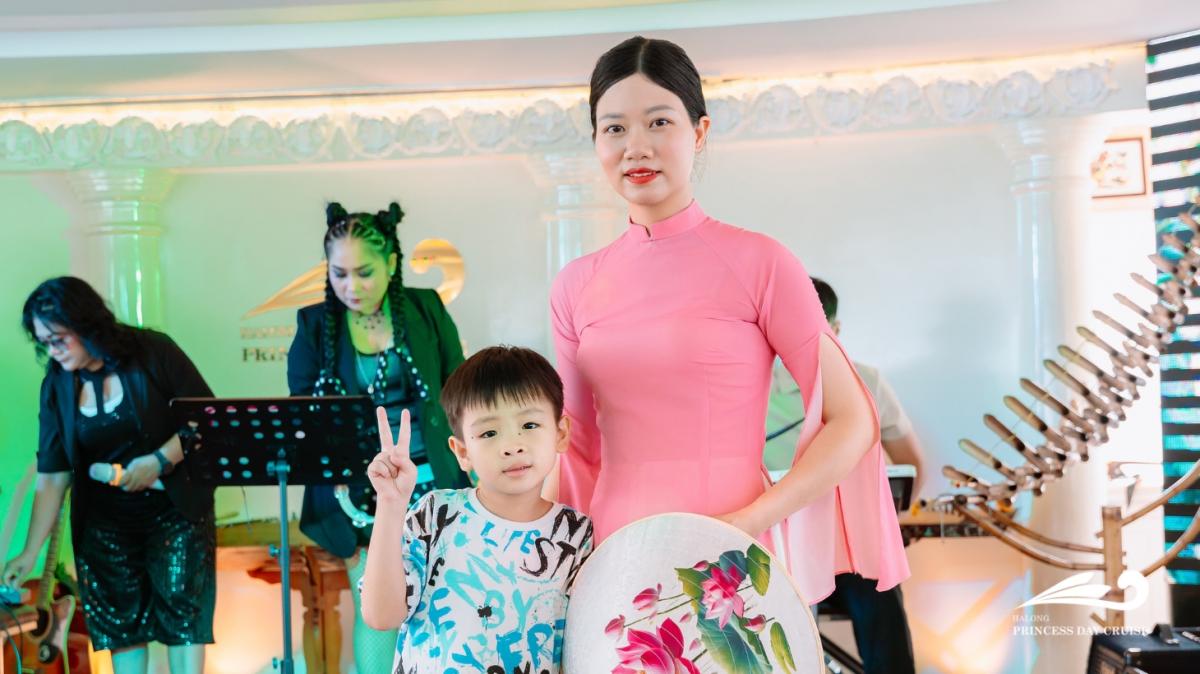
When introducing Vietnam to international audiences, the áo dài is often one of the most recognizable cultural symbols. Its flowing panels, elegant neckline, and long trousers create a look that is both graceful and modest.
However, the áo dài did not always have the appearance we recognize today. It has evolved through various historical periods. One important milestone was the clothing reform introduced under Lord Nguyễn Phúc Khoát in 1744, when the five-panel robe, known as áo ngũ thân, emerged as an important predecessor of the modern áo dài. Later, in the 1930s, artist Nguyễn Cát Tường introduced significant changes to its silhouette, helping bring the garment closer to everyday urban life.
Across generations, the áo dài has maintained a special place in Vietnamese culture. Images of schoolgirls in white áo dài, brides wearing it on their wedding day, and people choosing it for traditional celebrations and Lunar New Year festivities all evoke a sense of familiarity and national pride.
What makes the áo dài particularly fascinating is its ability to evolve without losing its identity. New fabrics, colors, and designs continue to bring fresh interpretations to this timeless garment while preserving its distinctive elegance.
Áo Tứ Thân – The Graceful Beauty of Northern Vietnamese Women
While the áo dài evokes timeless elegance, the áo tứ thân takes us back to the traditional villages of Northern Vietnam.
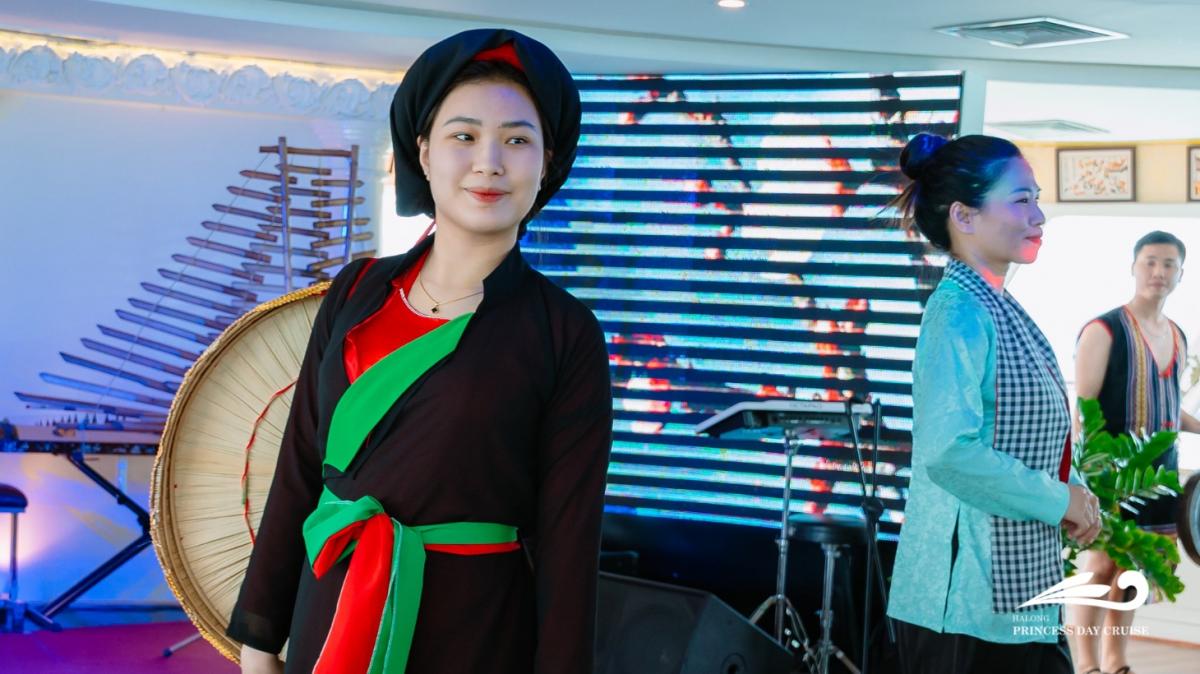
This traditional outfit is commonly worn with an inner yếm bodice, a long skirt, colorful waistbands, and a khăn mỏ quạ headscarf. Its four flowing panels create a distinctive silhouette that is both modest and graceful. During traditional village festivals, women dressed in áo tứ thân and wearing nón quai thao flat palm hats can often be seen alongside the melodies of quan họ folk singing and other traditional cultural activities.
The áo tứ thân reflects not only the aesthetic values of women in the past but also the living conditions and working traditions of the Northern Delta. Earthy shades of brown and black, combined with its layered design, create a simple, rustic beauty closely connected to rural life.
Today, the áo tứ thân is rarely worn in everyday activities, but it continues to be preserved through artistic performances, festivals, and cultural events. Whenever this traditional costume appears, it brings to mind the peaceful countryside of Northern Vietnam, with its communal houses, village ponds, and timeless folk melodies.
Áo Bà Ba – The Simple Charm of Southern Vietnam's Riverlands
Moving from the North to the South, our journey through Vietnamese traditional clothing brings us to a region where the áo bà ba has become an enduring part of everyday life.
The áo bà ba typically features a simple, practical design, with no collar or a low neckline, a fitted body, and long trousers. Dark shades such as black and brown were traditionally popular because they were convenient for daily activities and agricultural work. Paired with a traditional khăn rằn checkered scarf and a conical nón lá hat, the outfit creates an iconic image of Southern Vietnamese women along rivers, canals, and lush countryside gardens.
Interestingly, the exact origins of the áo bà ba remain a subject of different interpretations. Some theories suggest that the garment was influenced by the clothing of the Baba-Nyonya community in Southeast Asia before being adapted to suit the physique and lifestyle of people in Southern Vietnam.
Regardless of its origins, the áo bà ba has become an important part of Southern Vietnam's cultural memory. It recalls images of mothers and grandmothers going about their daily work, women gracefully rowing boats along the river, and the simple, sincere spirit that has been cherished across generations.
Traditional Clothing – Telling Cultural Stories Without Words
The áo dài, áo tứ thân, and áo bà ba differ in appearance, colors, and how they are worn. Yet, when placed side by side, they create a vivid picture of Vietnamese cultural life across different regions.
A traditional garment can help people recognize the distinctive identity of a community, but the stories behind it go much further. They reflect history, customs, living conditions, and ideas of beauty that have been passed down through generations.
This is also why traditional clothing holds such a special appeal for international visitors. Beyond admiring beautiful outfits, they can begin to discover the people, places, and stories that shape Vietnam's cultural identity.
Princess Cruise – Bringing the Colors of Vietnamese Culture Closer to the World
During a journey through Ha Long Bay, Princess Cruise offers more than just the opportunity to admire breathtaking natural scenery. It also opens a window into the fascinating world of Vietnamese culture.
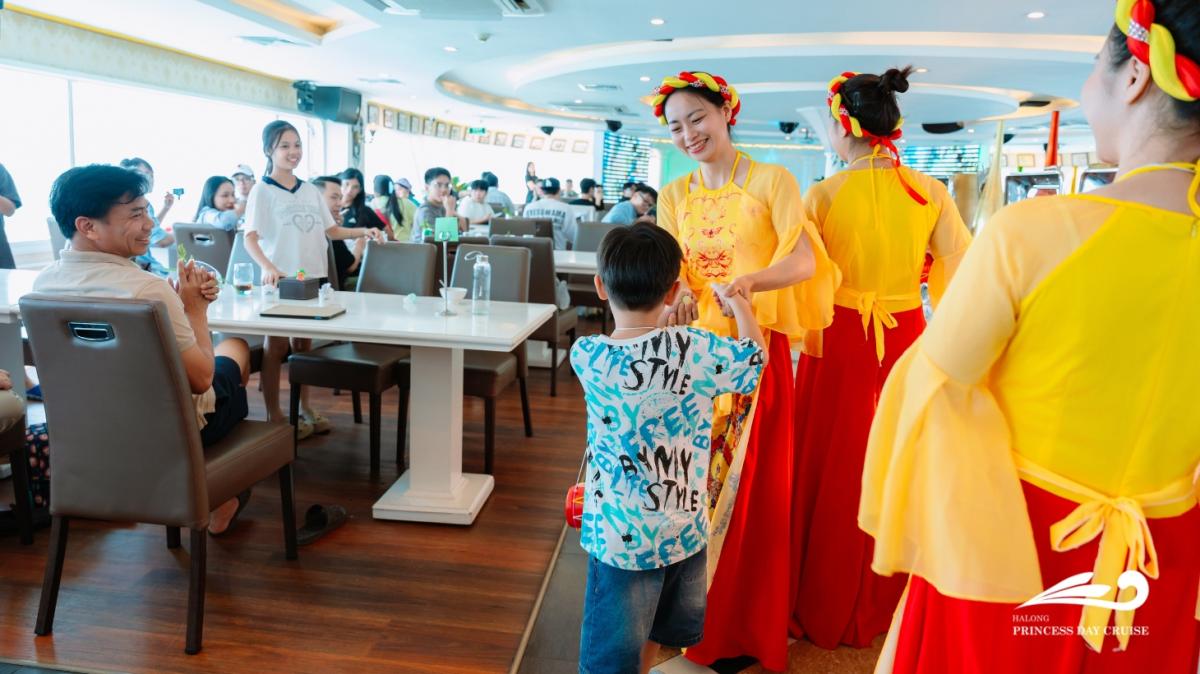
Through traditional performances and costume introductions, guests have the opportunity to observe the distinctive clothing styles of different regions and ethnic communities across Vietnam. Garments such as the áo tứ thân, along with costumes inspired by the cultural heritage of various ethnic groups, make the story of Vietnamese identity more vivid and accessible.
For international visitors in particular, a traditional costume can become the starting point for a cultural conversation: Why is it designed this way? When do Vietnamese people usually wear it? Do its patterns or colors carry special meanings?
A journey may last only a few hours, but the cultural stories discovered along the way can leave impressions that last much longer.
From the timeless elegance of the áo dài and the graceful charm of the áo tứ thân to the rustic simplicity of the áo bà ba, each traditional garment adds another color to the rich tapestry of Vietnamese culture.
And amid the magnificent heritage landscape of Ha Long Bay, a journey with Princess Cruise offers guests the chance not only to admire the beauty of Vietnam but also to gain a deeper understanding of the cultural values that make it truly special.


